Choosing the Best Dance Style for Fitness, Fun and Socializing
Dance is one of the most enjoyable ways to stay active. Unlike traditional workouts, dancing blends movement, music, creativity, and social interaction. For many people, it feels less like exercise and more like a hobby that naturally keeps them moving.
Choosing the best dance style for fitness, fun, and socializing can make a big difference in how much you enjoy the experience. Some dance styles focus on cardio and endurance, while others emphasize rhythm, coordination, or partner connection. The right style often depends on your personal goals, personality, and comfort level.
Whether you want a high-energy workout, a creative outlet, or an opportunity to meet new people, there is a
dance style
that can fit your lifestyle. Understanding the differences between styles can help you make a confident decision and get the most out of your time on the dance floor.
Key Takeaways
- The best dance style depends on your goals, such as fitness, socializing, or creative expression.
- High energy styles often support cardiovascular fitness and endurance.
- Partner dances can create more opportunities for social interaction.
- Some dance styles focus on technique while others prioritize movement and rhythm.
- Trying different dance classes can help you find the style you enjoy most.
- Consistency and enjoyment are often the most important factors for long term participation.
Why Dance Is a Great Way to Stay Active
Many people struggle to stay consistent with traditional workouts. Treadmills, weight machines, and repetitive exercises can sometimes feel routine or uninspiring. Dance offers a different experience by combining music, movement, and expression.
Dance classes typically include a mix of cardio, coordination, and body awareness. Movements often engage multiple muscle groups while also encouraging balance and flexibility. Over time, this combination can help support overall physical activity levels.
Beyond the physical benefits, dancing can also contribute to mental and social well-being. Music naturally lifts mood, and learning choreography or rhythm patterns keeps the brain engaged. Many dancers also appreciate the social environment of group classes and community events.
Because dance feels more like recreation than exercise, many people find it easier to maintain as a long-term habit.
Understanding Your Goals Before Choosing a Dance Style
Before selecting a dance class or program, it helps to think about what you want from the experience. Different dance styles offer different types of benefits.
Some people join dance classes primarily for fitness. Others want a creative hobby or a social activity where they can meet new people.
Consider the following questions:
- Do you prefer a high energy workout or a relaxed pace?
- Are you interested in dancing solo or with a partner?
- Do you enjoy learning choreography or improvising movement?
- Would you like a structured class or a social dance environment?
- Are you looking for a competitive or recreational experience?
Your answers can help narrow down which dance styles may feel most comfortable and enjoyable.
Popular Dance Styles for Fitness and Socializing
There are many dance styles available today, and each one offers a unique experience. The table below highlights a few common options and their general characteristics.
| Dance Style | Energy Level | Social Interaction |
|---|---|---|
| Zumba | High | Moderate |
| Salsa | Medium to High | High |
| Hip Hop | High | Moderate |
| Ballroom | Moderate | High |
| Swing | Medium | High |
| Contemporary | Moderate | Low to Moderate |
Each style appeals to different interests and personalities.
Zumba
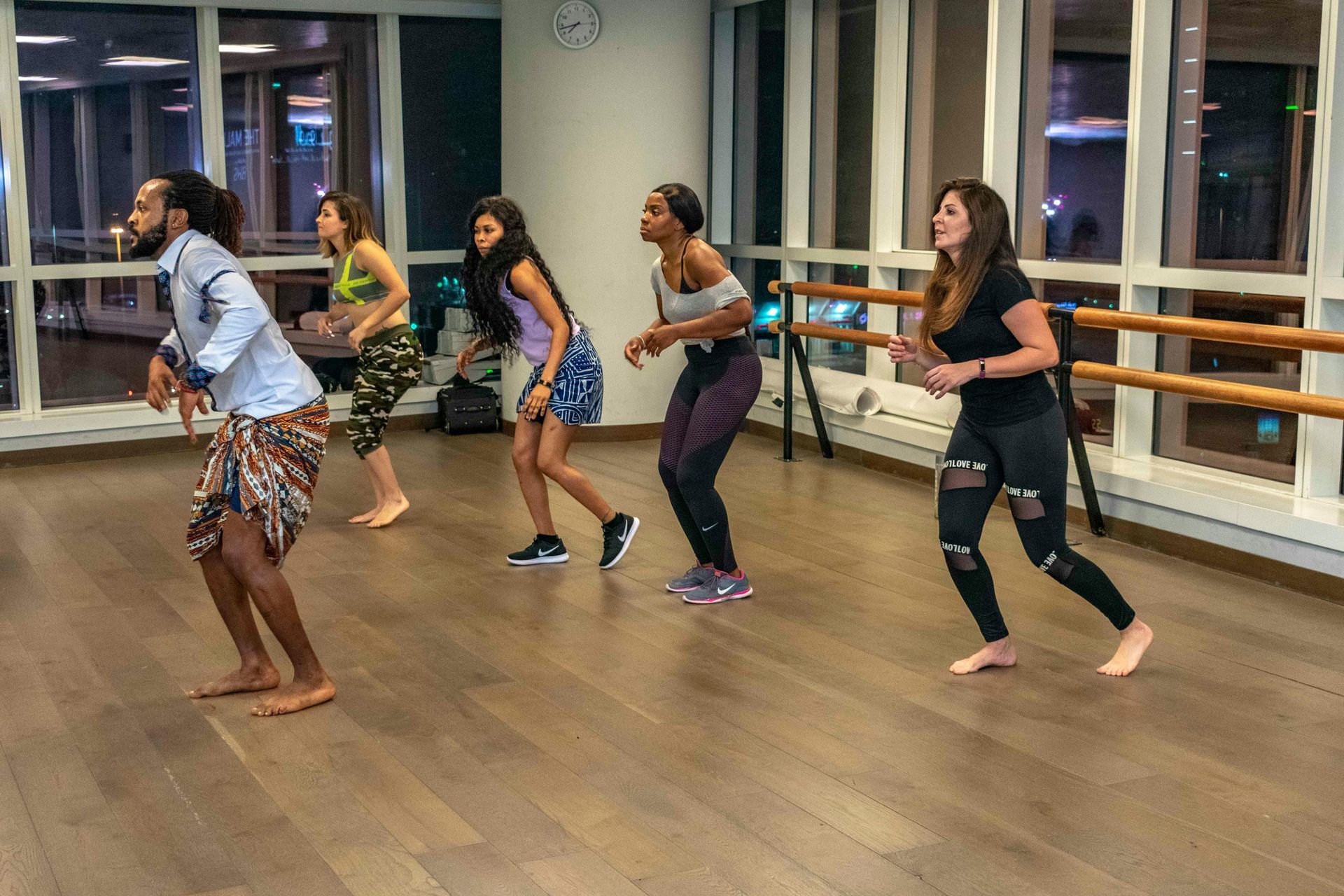
Zumba classes blend dance movements with aerobic exercise. Classes are often upbeat and energetic, featuring music from a variety of genres.
Participants usually follow an instructor through choreographed routines, making it accessible for beginners who want a fun cardio focused workout.
Salsa
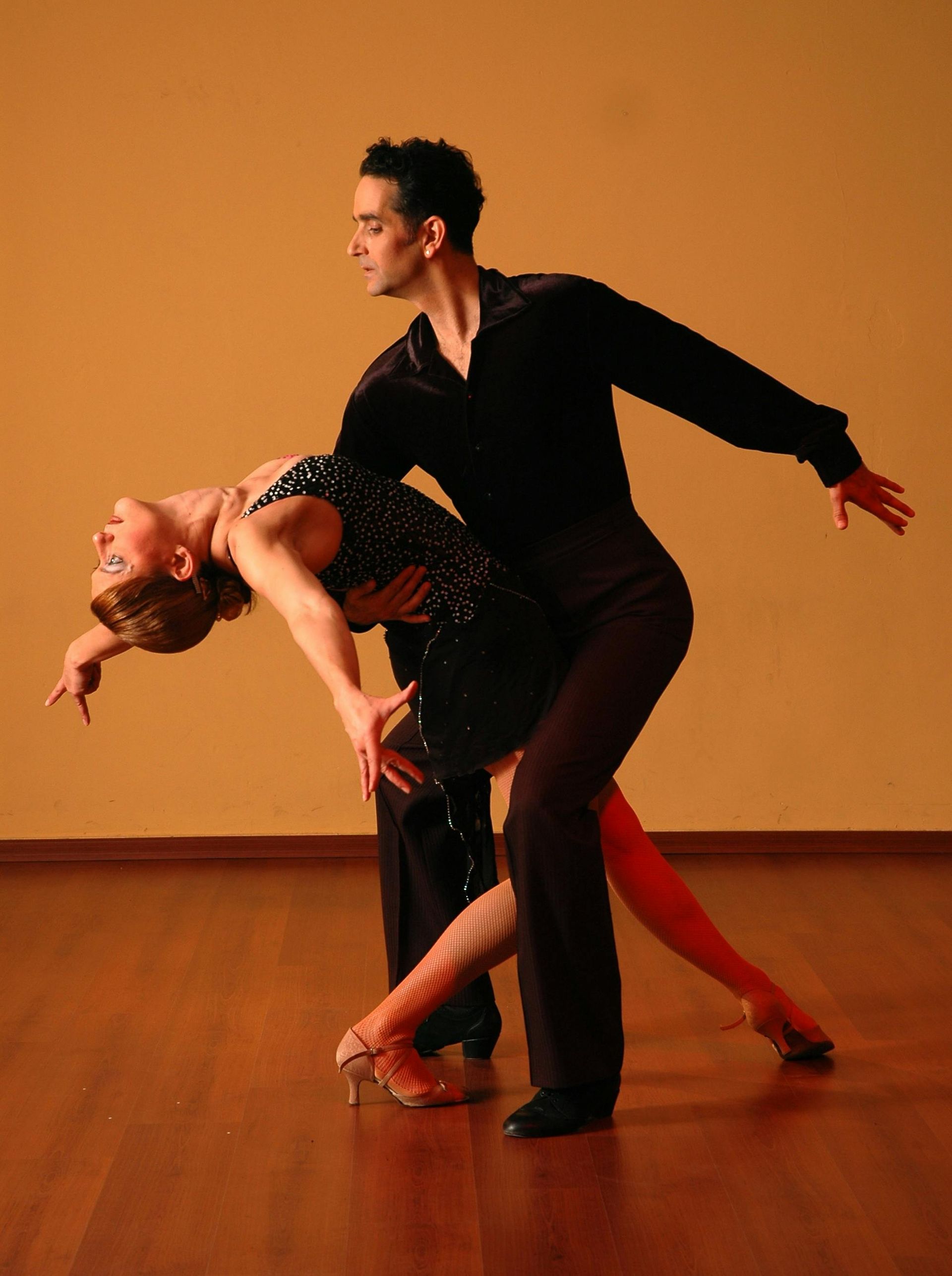
Salsa is a partner dance known for its lively rhythms and social atmosphere. Many cities host salsa nights or dance socials where people can practice and meet new dancers.
It combines rhythm, coordination, and partner connection, which can make it appealing for those interested in both movement and social interaction.
Hip Hop
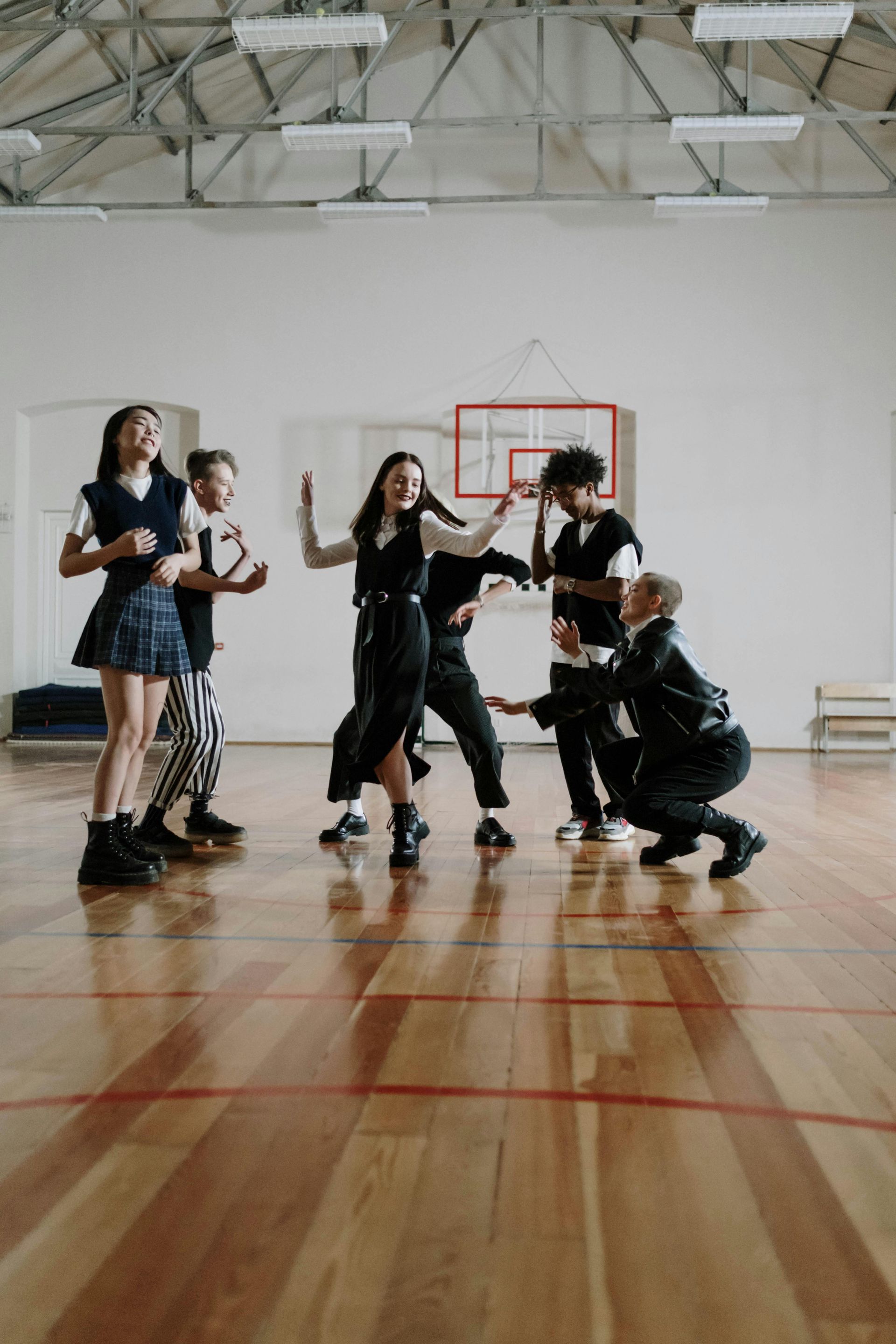
Hip hop dance is energetic and expressive. Classes often focus on choreography, musicality, and individual style.
This style can be appealing for people who enjoy modern music and creative movement.
Ballroom Dancing
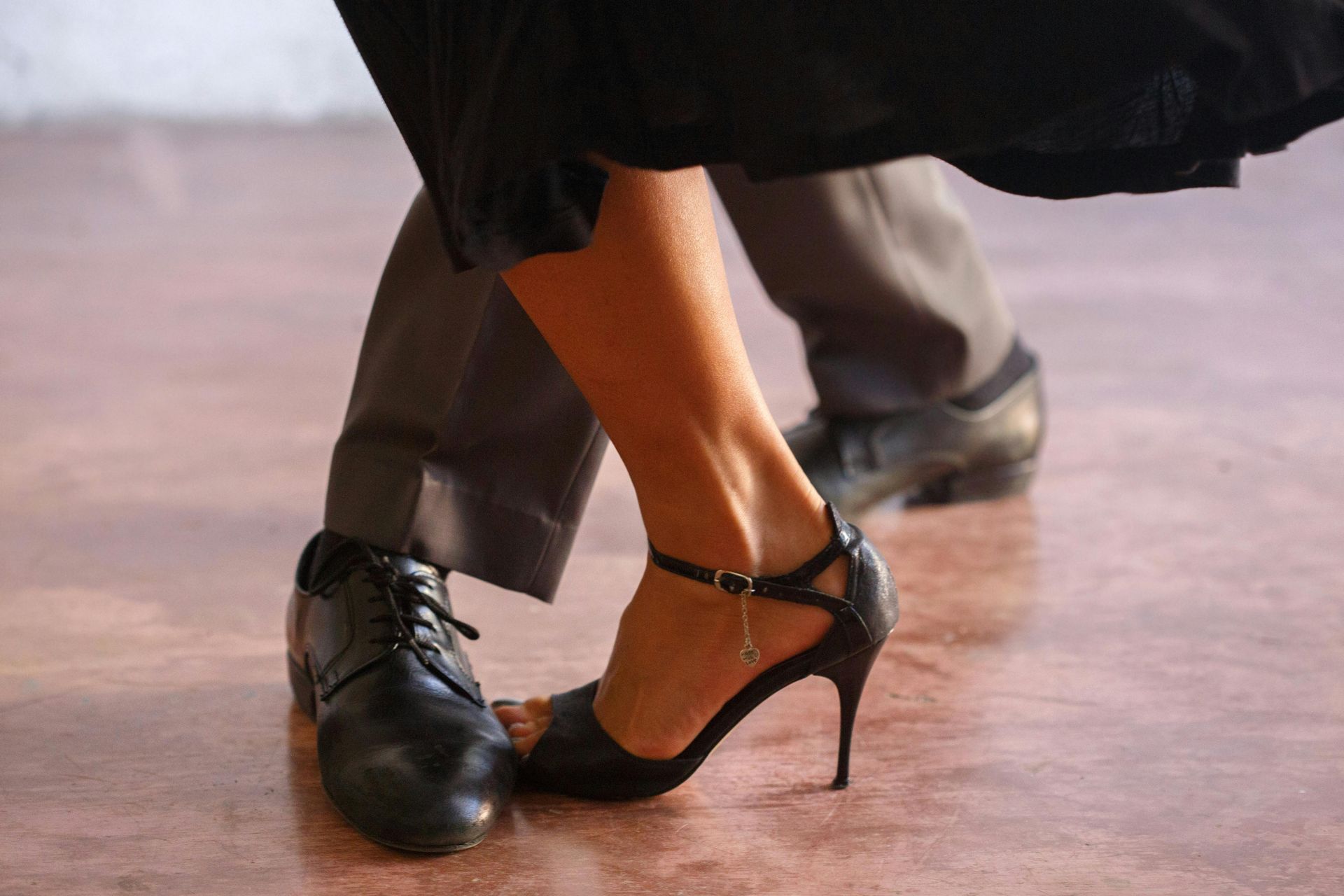
Ballroom dancing includes styles such as waltz, foxtrot, tango, and cha cha. Many people enjoy ballroom dancing because of its structured learning approach and partner interaction.
Classes often emphasize technique, posture, and musical timing.
Swing Dancing
Swing dancing is known for its playful energy and upbeat music. It often appears in social dance communities where beginners and experienced dancers can mix together on the dance floor.
Because swing events often encourage partner rotation, they can be a welcoming way to meet new people.
Contemporary Dance
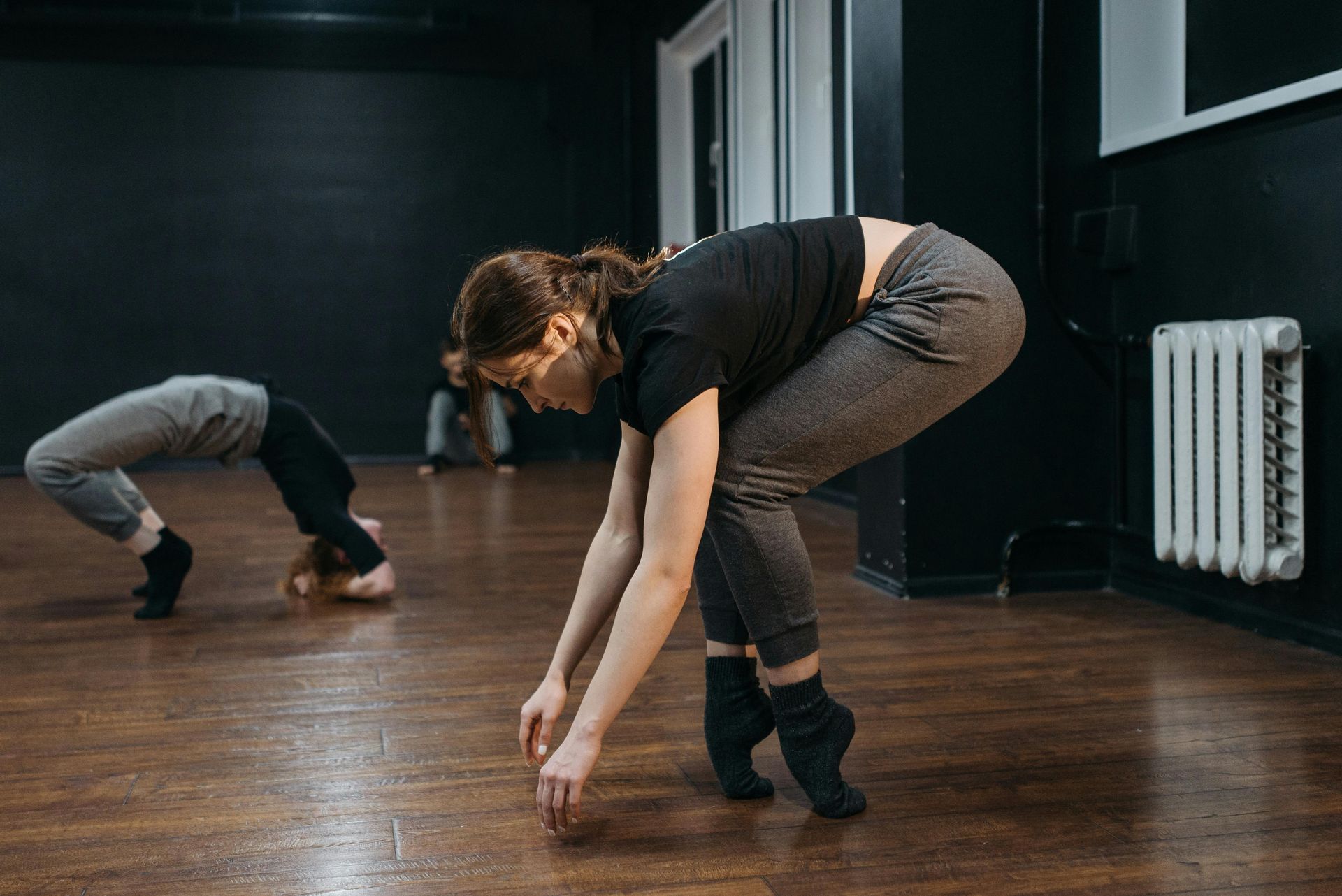
Contemporary dance blends elements of ballet, modern dance, and improvisation. It focuses on movement expression and artistic interpretation.
While it may involve less social interaction than partner dances, many people enjoy it as a creative physical outlet.
Choosing the Right Dance Style for Fitness Goals
If your primary goal is physical activity, certain dance styles may align more closely with your preferences.
High Energy Cardio Focus
Some dance styles emphasize continuous movement and faster tempos.
Examples include:
- Zumba
- Hip hop fitness classes
- Latin dance fitness programs
These styles often keep the heart rate elevated and involve full-body movement.
Strength and Coordination
Other dance styles emphasize posture, balance, and controlled movements.
Examples include:
- Ballroom dance
- Contemporary dance
- Jazz dance
These classes may involve slower pacing but can still challenge coordination and body awareness.
Beginner Friendly Options
If you are new to dance, look for classes labeled:
- Beginner or introductory
- Absolute beginner
- Foundations or basics
These classes usually introduce basic steps and rhythms at a comfortable pace.
Dance as a Social Activity
One of the most appealing aspects of dance is its ability to bring people together. Social dancing events often create welcoming environments where people can connect through shared movement and music.
Partner dances in particular encourage interaction between participants.
Social Dance Environments
Common dance social settings include:
- Salsa nights at dance studios
- Ballroom dance socials
- Swing dance gatherings
- Community dance events
- Group fitness dance classes
These environments allow dancers to practice what they learn in class while meeting others who share similar interests.
Building Confidence Through Dance
Many people start dancing with little or no experience. Over time, learning basic steps and rhythms can build confidence.
Because dance involves communication through movement, it often helps participants become more comfortable interacting with others.
Even attending classes regularly can create a sense of community and familiarity.
Tips for Trying a New Dance Style
Exploring dance styles can be part of the fun. Instead of trying to find the perfect style immediately, many people experiment with different classes.
Here are some helpful tips:
Take Trial Classes
Many studios offer introductory sessions or trial classes. These allow you to experience the environment, instructor, and style before committing to a program.
Focus on Enjoyment
While fitness benefits are important, enjoyment often plays a major role in long term consistency. A dance style that feels fun and engaging may be easier to maintain.
Start at Your Own Pace
It is normal to feel unfamiliar with the movements at first. Learning dance steps takes practice and repetition.
Beginners often improve quickly once they become comfortable with the rhythm and structure of the class.
Try Social Dance Events
If you enjoy partner dances, attending social dance events can provide additional opportunities to practice and meet other dancers.
Many communities welcome beginners and encourage a supportive atmosphere.
Frequently Asked Questions
What dance style is best for beginners?
Beginner friendly dance styles often include Zumba, ballroom basics, salsa fundamentals, or beginner hip hop classes. These programs usually introduce simple steps and build skills gradually.
Can dancing replace traditional workouts?
Dance can contribute to an active lifestyle because it involves movement, coordination, and rhythm. However, people often combine dancing with other forms of physical activity for variety.
Do I need a partner to start dancing?
Many dance classes do not require a partner. Group classes often rotate partners or focus on individual movement so participants can learn independently.
How often should I attend dance classes?
Many beginners start with one or two classes per week. This schedule allows time to practice while keeping the activity enjoyable and manageable.
What should I wear to a dance class?
Comfortable clothing that allows movement is usually recommended. Athletic shoes or dance shoes may be suggested depending on the style and studio guidelines.
Final Thoughts
Choosing the best dance style for fitness, fun, and socializing often comes down to personal preference. Each style offers a different blend of movement, music, and interaction.
Some people enjoy energetic dance workouts, while others prefer partner dancing or expressive choreography. The most important factor is finding a style that feels engaging and enjoyable.
Trying different classes, meeting instructors, and exploring local dance communities can help you discover what works best for you. Over time, dancing can become not only a way to stay active but also a meaningful and rewarding hobby.
Start Your Dance Journey Today
Explore beginner
dance classes in your area and try a style that matches your interests. Whether you choose a high-energy workout class or a partner dance community, taking the first step onto the dance floor can open the door to new experiences, skills, and connections.
Ready to experience the benefits of dance for fitness, fun, and socializing?
Reference:
https://fuegodance.com/blogs/all/how-to-choose-a-dance-style?srsltid=AfmBOorvq-Z7dWV-giebKjDI5WY-qhNWBjE6gotn5OsWUUn_JYHp2spG