What You Need to Know Before Starting Ballroom Dance Lessons in Victoria
Ballroom dance is a timeless art that combines rhythm, grace, and connection. Whether your goal is to enjoy a fun hobby, improve your fitness, or prepare for social events, taking ballroom
dance lessons in Victoria can be an enriching experience. However, before stepping onto the dance floor, there are several things you should know to make the most of your classes.
Key Takeaways
- Choosing the right dance style is crucial for your personal goals.
- Proper footwear and attire can improve comfort and technique.
- Understanding class structure and levels ensures steady progress.
- Partnering skills are as important as solo technique.
- Consistent practice outside of class enhances learning.
- Knowing local ballroom dance etiquette helps you feel confident.
Understanding Ballroom Dance Styles
Ballroom dancing is not just one type of dance. It encompasses a variety of styles, each with unique rhythms, techniques, and cultural origins. Before you begin lessons, it is important to explore which styles interest you the most.
Standard vs. Latin
Ballroom dance typically divides into two main categories: Standard and Latin.
| Style Category | Examples of Dances | Characteristics |
|---|---|---|
| Standard | Waltz, Foxtrot, Quickstep | Smooth, flowing movements, closed position with a partner |
| Latin | Cha-Cha, Rumba, Samba | Expressive, rhythmic, often with hip movements and dynamic steps |
Knowing the difference can help you select a studio or instructor who aligns with your preferences and goals.
Social vs. Competitive
Some students aim to dance socially, enjoying casual events and practice sessions. Others may pursue competitive dancing, which requires more intensive training and attention to detail. Being clear about your goal will shape the style and pace of your lessons.
Choosing the Right Ballroom Dance Studio in Victoria
Victoria has a variety of dance schools, each offering different teaching styles and atmospheres. When selecting a studio, consider the following factors:
- Instructor experience: Look for certified instructors with a proven track record.
- Class sizes: Smaller classes often allow for more individual attention.
- Studio facilities: Check for quality flooring, mirrors, and spacious rooms.
- Lesson structure: Ensure the studio offers beginner-friendly progression.
- Location and schedule: Choose a convenient location with class times that fit your lifestyle.
Visiting multiple studios and observing a class can help you make an informed decision.
What to Wear and Bring to Your First Class
Appropriate attire can make a big difference in comfort and performance. While ballroom dance does not require formal wear for beginners, there are some essentials to consider:
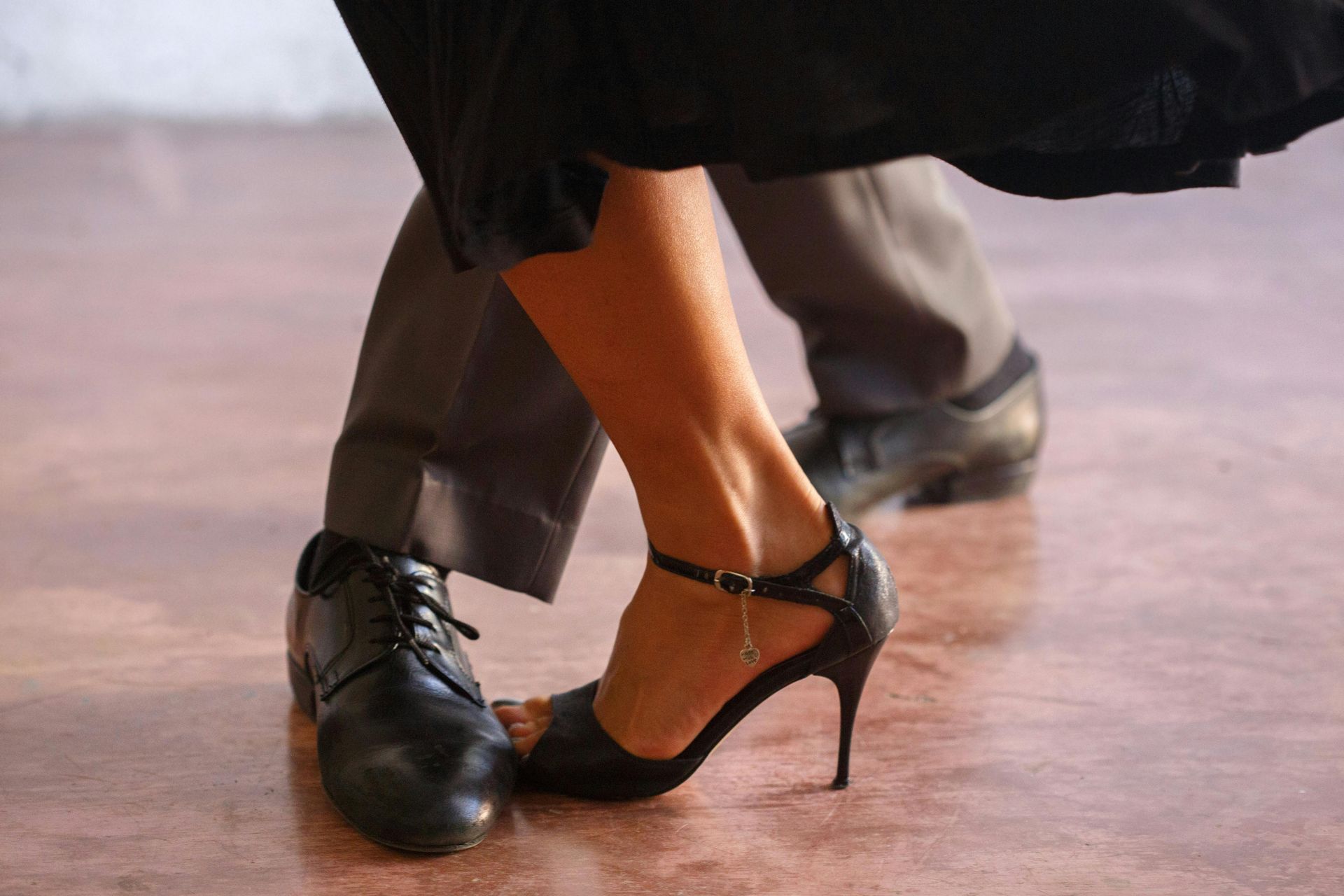
- Footwear: Dance shoes with suede soles allow smooth movement. Avoid rubber-soled shoes that stick to the floor.
- Clothing: Wear comfortable, breathable clothing that allows freedom of movement. Avoid overly loose garments that may get in the way.
- Accessories: Hair ties, water bottles, and a small towel can be handy.
Being properly prepared helps you focus on learning and enjoying the class.
Partnering Skills and Etiquette
Ballroom dancing often involves working closely with a partner. Understanding basic partnering skills and etiquette will make your classes more enjoyable:
- Lead and follow: One partner typically leads, while the other follows. Respect the roles and listen to cues.
- Respect personal space: Maintain appropriate distance and avoid sudden movements.
- Floor awareness: Be mindful of other couples on the dance floor to prevent collisions.
- Politeness: Thank your partner after dancing and communicate openly if adjustments are needed.
These small gestures can enhance your learning experience and foster a supportive environment.
Setting Realistic Expectations
Starting any new hobby comes with a learning curve. Ballroom dancing is no exception. It is important to:
- Expect gradual improvement rather than instant perfection.
- Celebrate small milestones, like mastering a new step or routine.
- Be patient with yourself and your partner.
Remember that regular practice and positive reinforcement will yield steady progress over time.
Practicing Outside of Class
Practice outside of scheduled lessons can significantly improve your skills. Even short daily sessions help you internalize steps, rhythms, and techniques. Consider the following strategies:
- Home practice: Use a small space to rehearse steps and routines.
- Social dancing events: Attend local social dance events in Victoria to gain real-world experience.
- Video recordings: Recording yourself allows you to spot areas for improvement.
Consistency is key. The more time you spend dancing, the more comfortable and confident you will become.
Health and Fitness Benefits
Ballroom dancing offers more than just enjoyment; it also provides physical and mental health benefits:
- Cardiovascular fitness: Dancing improves heart and lung health.
- Muscle tone and flexibility: Steps and turns strengthen muscles and enhance flexibility.
- Coordination and balance: Repeated practice develops body awareness.
- Mental well-being: Dancing reduces stress and improves cognitive function.
Understanding these benefits can motivate you to stick with your lessons and embrace the journey.
How to Track Your Progress
Tracking your progress in ballroom dance is essential to ensure steady improvement and maintain motivation. Dance is a skill that develops gradually, and without a way to measure growth, it can be easy to feel stuck or unsure if your efforts are paying off. There are several effective methods you can use to track your development as a dancer.
1. Keep a Dance Journal
A dance journal is a simple yet powerful tool for monitoring your learning journey. After each class, jot down notes about:
- Steps or routines you learned that day
- Challenges you faced during the lesson
- Movements or techniques you want to improve
- Positive moments or achievements
Over time, your journal will help you see patterns in your progress, identify recurring challenges, and celebrate milestones, no matter how small.
2. Record Your Practice Sessions
Recording yourself while practicing at home or during class can provide invaluable feedback. When you watch the video:
- Observe your posture, footwork, and alignment
- Compare your movements to tutorial videos or instructor demonstrations
- Notice improvements in timing, coordination, and fluidity over time
Recording sessions also allows you to track progress visually, which is often more effective than relying on memory alone.
3. Set Specific Goals
Goal-setting is crucial to measure your development. Break your long-term goals into smaller, achievable milestones, such as:
- Mastering a specific dance step
- Improving your balance and posture
- Memorizing a short routine
- Dancing confidently with a partner
When you reach each milestone, it serves as tangible proof of progress, keeping you motivated and focused.
4. Ask for Feedback from Your Instructor
Instructors are trained to spot subtle improvements and areas that need attention. Regularly asking for feedback helps you:
- Correct bad habits early
- Refine your technique more efficiently
- Gain an objective perspective on your performance
Many instructors will also provide progress reports or suggest exercises tailored to your skill level, which can be a structured way to track growth.
5. Participate in Social Dancing or Performances
Applying what you’ve learned in real-world settings is a practical way to measure progress. By attending social dance events, workshops, or informal performances:
- You can gauge your comfort level dancing with different partners
- Test your ability to adapt to different tempos and styles
- Receive feedback from peers and experienced dancers
Social events also give you a sense of accomplishment as you apply lessons outside the classroom environment.
6. Use a Practice Tracker or App
For tech-savvy dancers, mobile apps or online trackers can help monitor practice time, routine mastery, and skill improvement. Features often include:
- Scheduling practice sessions
- Tracking completed routines
- Logging skills learned and progress over time
These tools can help you stay consistent and organized, which is especially useful if you are balancing dance with a busy schedule.
Frequently Asked Questions
Do I need a partner to start ballroom dance lessons?
Most studios can pair you with a partner if you do not have one. While having a regular partner can help, it is not required for beginners.
How long does it take to become proficient in ballroom dance?
Progress varies depending on practice, frequency of lessons, and individual aptitude. Generally, beginners notice improvement within a few months with consistent practice.
Can I start ballroom dancing at any age?
Yes. Ballroom dance is suitable for all ages. Many studios offer beginner classes for adults, seniors, and even youth.
What should I do if I feel nervous or shy?
Feeling nervous is normal. Start with beginner classes, focus on having fun, and remember that everyone was a beginner at some point. Most instructors provide a supportive environment.
How often should I take lessons?
For steady improvement, one to two lessons per week is ideal. Additional practice outside of class accelerates progress.
Final Thoughts
Starting ballroom dance lessons in Victoria is a rewarding journey that combines physical activity, social interaction, and artistic expression. By choosing the right style, studio, and instructor, preparing with proper attire, practicing consistently, and understanding etiquette, you set yourself up for a successful and enjoyable experience.
Whether your goal is to dance socially or pursue competitive dancing, the key is to enjoy the process, embrace learning, and celebrate each step forward. Ballroom dance is a skill that grows with patience, practice, and passion.
Ready to start your ballroom dance journey in Victoria? Sign up for a beginner class today and take your first step toward rhythm, grace, and fun on the dance floor!
Reference:
https://www.fredastaire.com/smithfield/blog/dance-lessons/what-to-expect-from-your-first-dance-lesson/