Top Benefits of Enrolling in Dance Lessons in Victoria TX
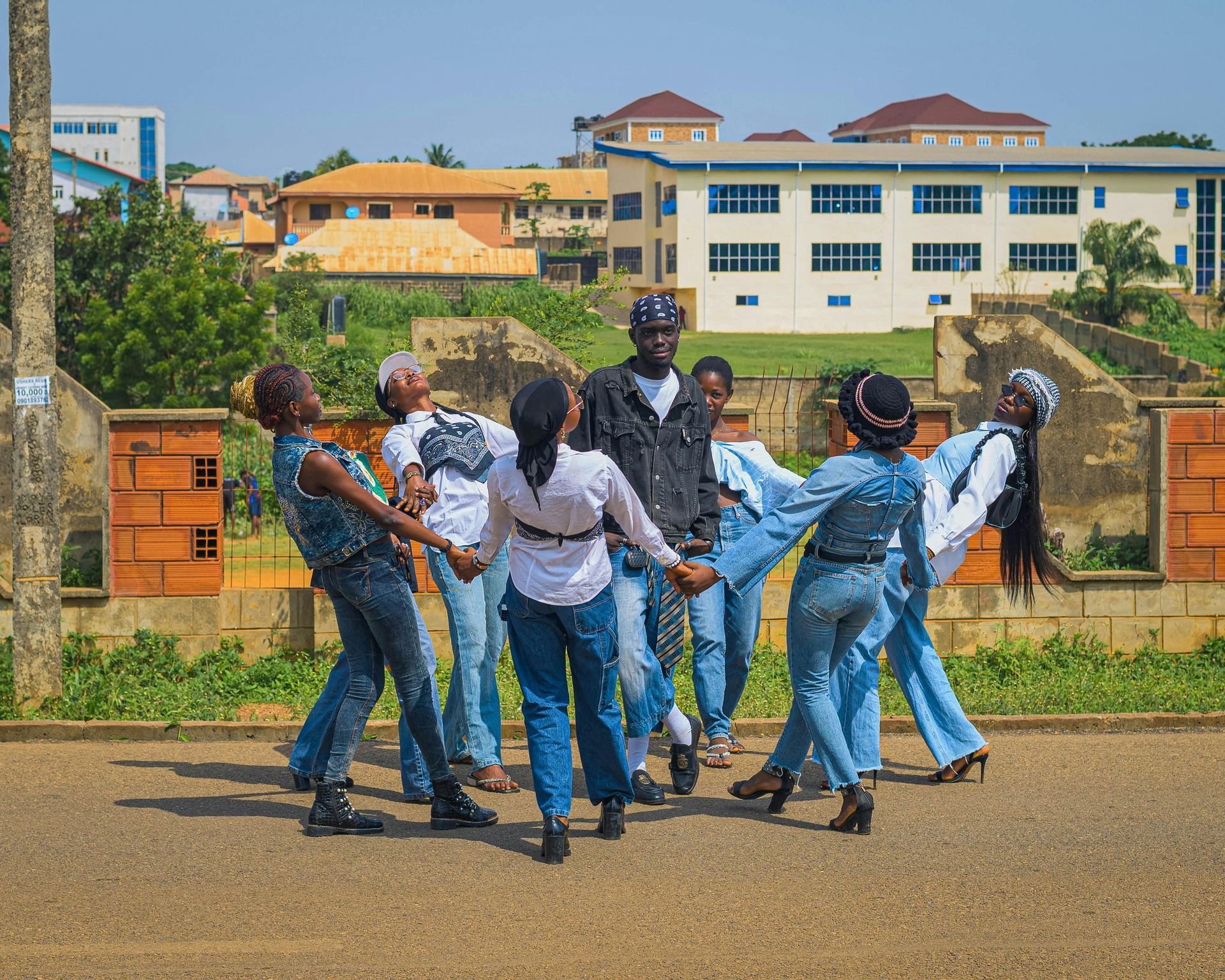
Dance has been celebrated for centuries as a form of artistic expression, social engagement, and physical activity. In Victoria, TX, dance lessons offer residents of all ages a chance to explore movement, build confidence, and enjoy a fun way to stay active. Whether you are a beginner or looking to refine advanced skills, participating in structured dance classes can provide a wide range of benefits that extend beyond the dance floor.
Enrolling in dance lessons is more than just learning steps and routines. It is a holistic experience that improves physical health, enhances mental agility, fosters social connections, and builds self-confidence. Understanding the key benefits can help you decide if joining a local dance program is right for you or your family.
Key Takeaways
- Dance lessons improve physical fitness, flexibility, and coordination.
- Learning dance enhances mental sharpness and memory retention.
- Group classes provide social engagement and community connections.
- Dance helps build self-confidence and emotional expression.
- Exposure to diverse dance styles cultivates creativity and cultural awareness.
- Regular dance lessons offer a fun and engaging form of lifelong activity
Physical Benefits of Dance Lessons
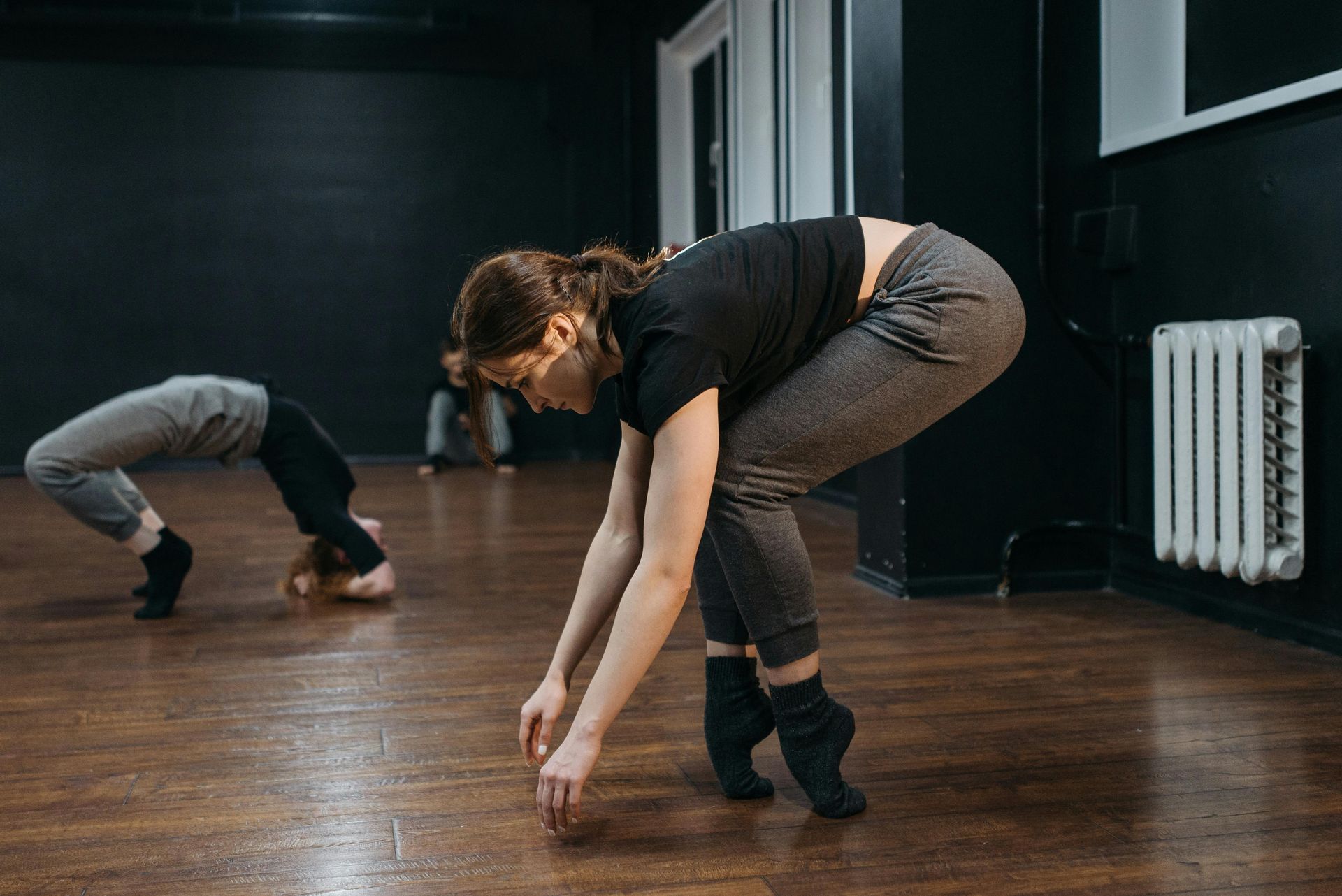
Dance is a full-body workout that promotes strength, endurance, and flexibility. Different styles, from ballroom to hip-hop, require distinct movements that work various muscle groups. For example:
- Cardiovascular health: Many dance routines elevate the heart rate, improving circulation and stamina.
- Muscle tone and strength: Core, legs, and arms are actively engaged in most dance movements, helping tone muscles.
- Flexibility: Stretching exercises and fluid motions increase flexibility, which is crucial for preventing injuries.
- Balance and coordination: Dance routines often involve footwork and posture exercises that enhance stability and spatial awareness.
For children and adults alike, dance lessons provide a fun alternative to traditional exercise routines, making fitness enjoyable and motivating.
Mental and Cognitive Benefits
Dance is not just physical; it also strengthens the mind. Learning routines and choreography challenges the brain, enhancing memory, concentration, and problem-solving skills. Key cognitive benefits include:
- Improved memory: Memorizing steps and sequences strengthens mental recall.
- Mental agility: Quick transitions and rhythm adjustments keep the brain sharp.
- Stress relief: Focusing on dance allows participants to shift attention away from daily stresss.
- Mind-body connection: Awareness of posture, timing, and movement increases mindfulness and body awareness.
Participating regularly in dance classes can lead to improved academic performance for children and better mental clarity for adults.
Social and Community Engagement
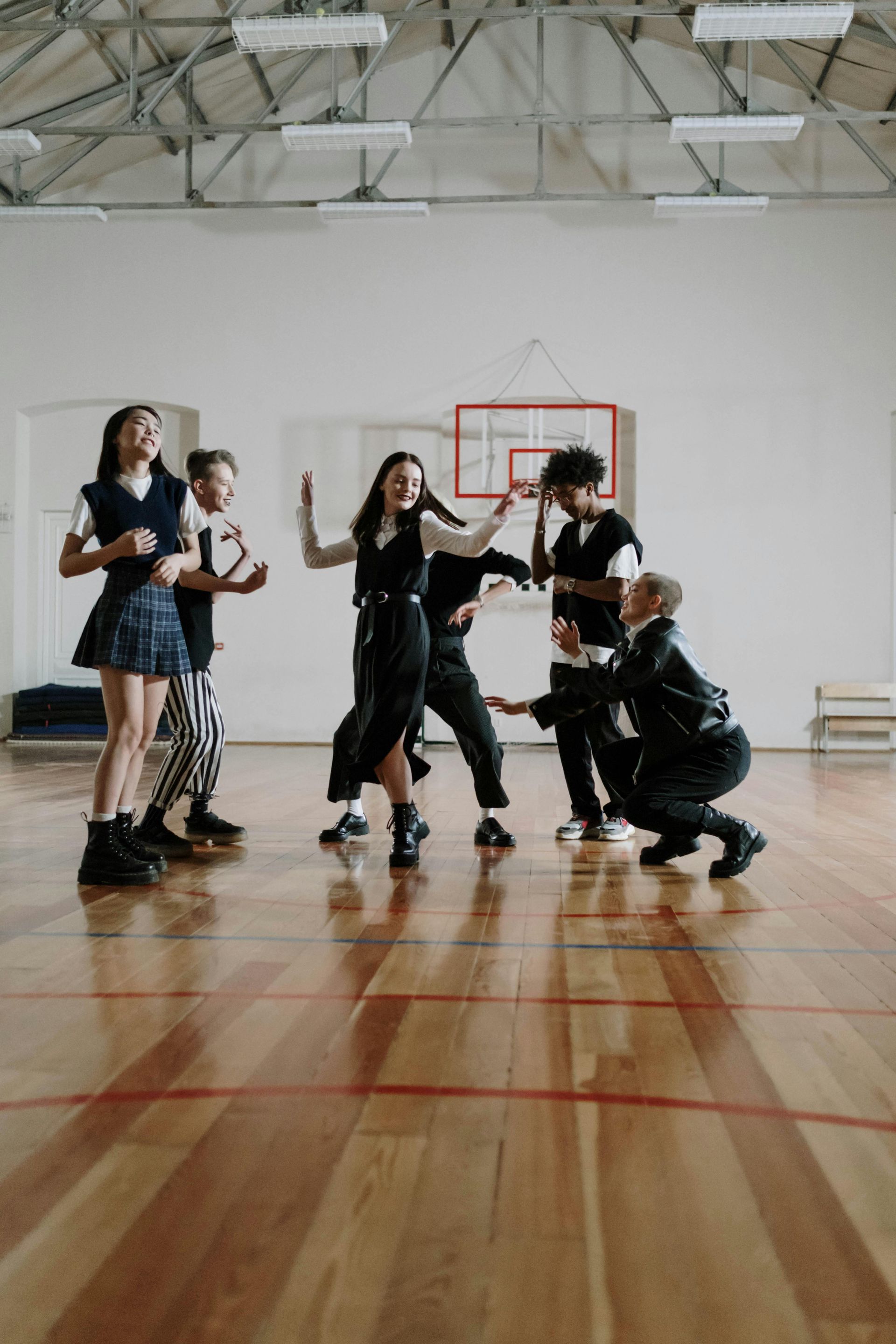
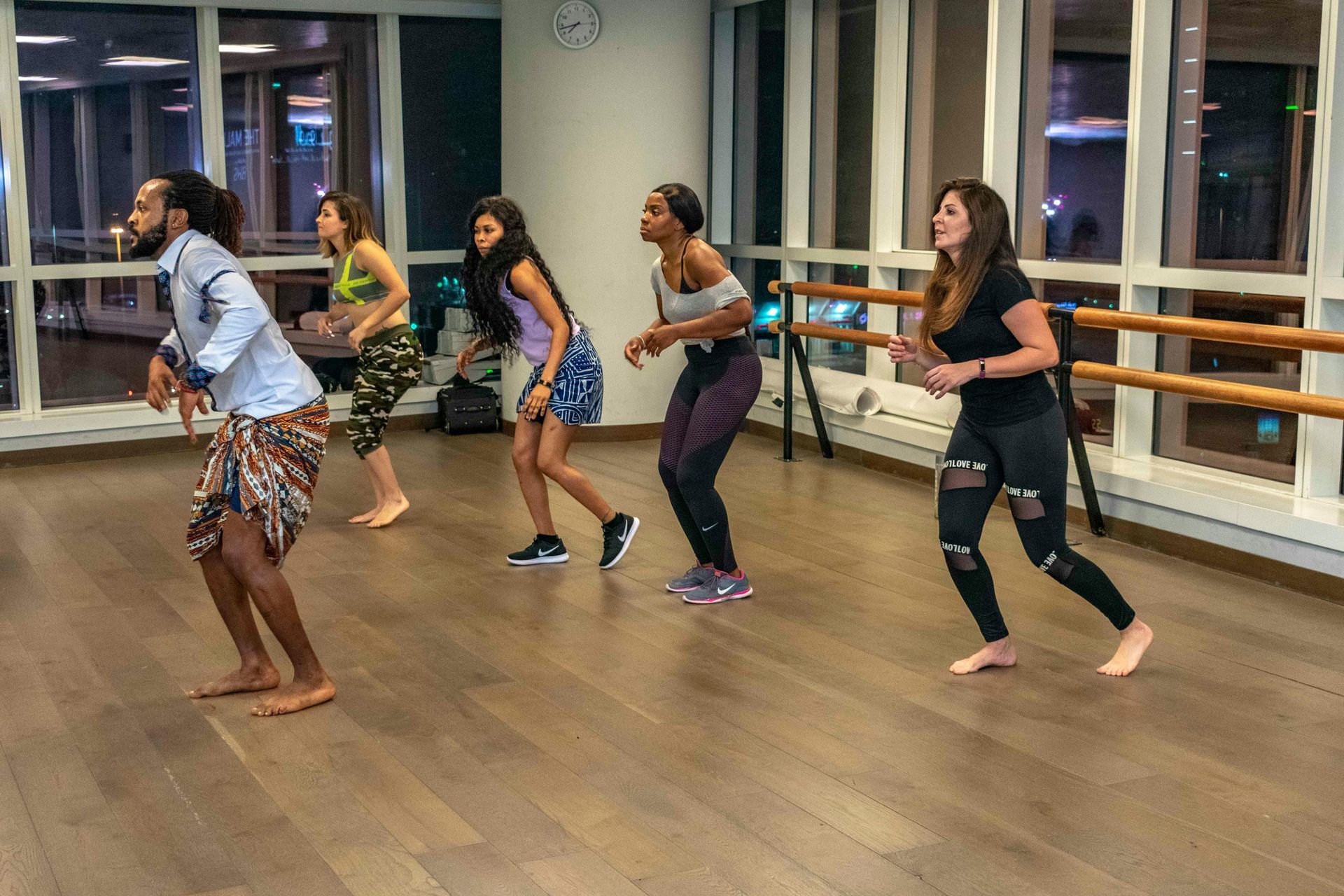
Dance lessons often take place in group settings, fostering social connections and a sense of belonging. These interactions can be particularly valuable for children, teens, and adults seeking community engagement. Benefits include:
- Teamwork and cooperation: Partnered dances and group choreography teach collaboration.
- Communication skills: Non-verbal cues in dance improve understanding and responsiveness.
- Cultural exchange: Exposure to diverse dance styles fosters appreciation for different traditions.
- Friendship opportunities: Shared activities create bonds that extend beyond the dance floor.
In Victoria, TX, local dance studios often organize performances, recitals, and community events, enhancing social involvement and public confidence.
Building Confidence and Emotional Expression
Dance encourages individuals to express themselves creatively, building confidence and emotional resilience. By mastering new skills and performing in front of others, participants often experience:
- Enhanced self-esteem: Achieving milestones and learning new routines fosters a sense of accomplishment.
- Emotional release: Dance allows expression of feelings, reducing tension and promoting mental well-being.
- Performance experience: Recitals and showcases help overcome stage fright and boost public speaking confidence.
- Positive body image: Dance teaches appreciation for the body’s abilities rather than focusing solely on appearance.
These benefits contribute to personal development, helping both children and adults navigate social and professional environments with greater assurance.
Exposure to Diverse Dance Styles
Victoria, TX, dance programs often offer a wide range of styles, allowing participants to explore cultural and artistic diversity. Some examples include:
| Dance Style | Benefits | Age Suitability |
|---|---|---|
| Ballet | Grace, posture, discipline | Kids and teens |
| Hip-Hop | Rhythm, creativity, energy | Teens and adults |
| Ballroom | Coordination, social etiquette | Adults |
| Latin | Cardiovascular fitness, fun | Teens and adults |
| Contemporary | Expression, flexibility | All ages |
Exposure to multiple styles nurtures creativity, encourages adaptation, and allows dancers to find a style that resonates with their personality and interests.
Choosing the Right Dance Program
Selecting a dance program involves more than picking a convenient location. Key considerations include:
- Instructor experience: Look for certified instructors with a track record in teaching the chosen style.
- Class size: Smaller classes allow more individualized attention.
- Age-appropriate curriculum: Ensure programs match the participant’s skill level and age group.
- Studio facilities: Adequate space, flooring, and mirrors enhance learning and safety.
- Performance opportunities: Recitals and showcases provide motivation and real-world experience.
Taking the time to choose the right program ensures that dance lessons remain engaging and effective.
Partner vs. Solo Dance Classes
When enrolling in dance lessons, one important decision is whether to focus on partner dances or solo dance styles. Each option offers unique benefits, learning experiences, and social opportunities, so understanding the differences can help students choose the best path for their goals.
Partner Dance Classes
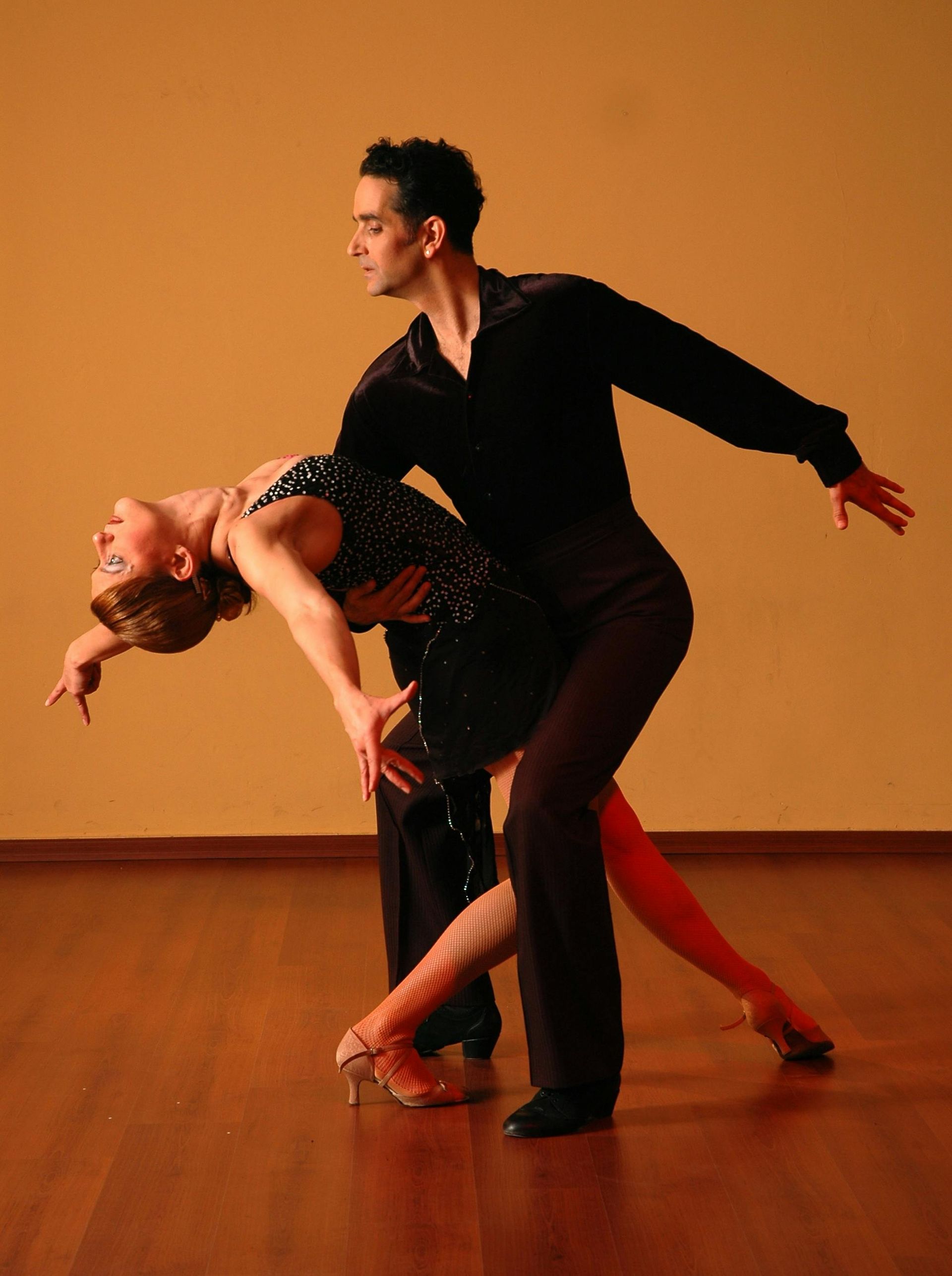
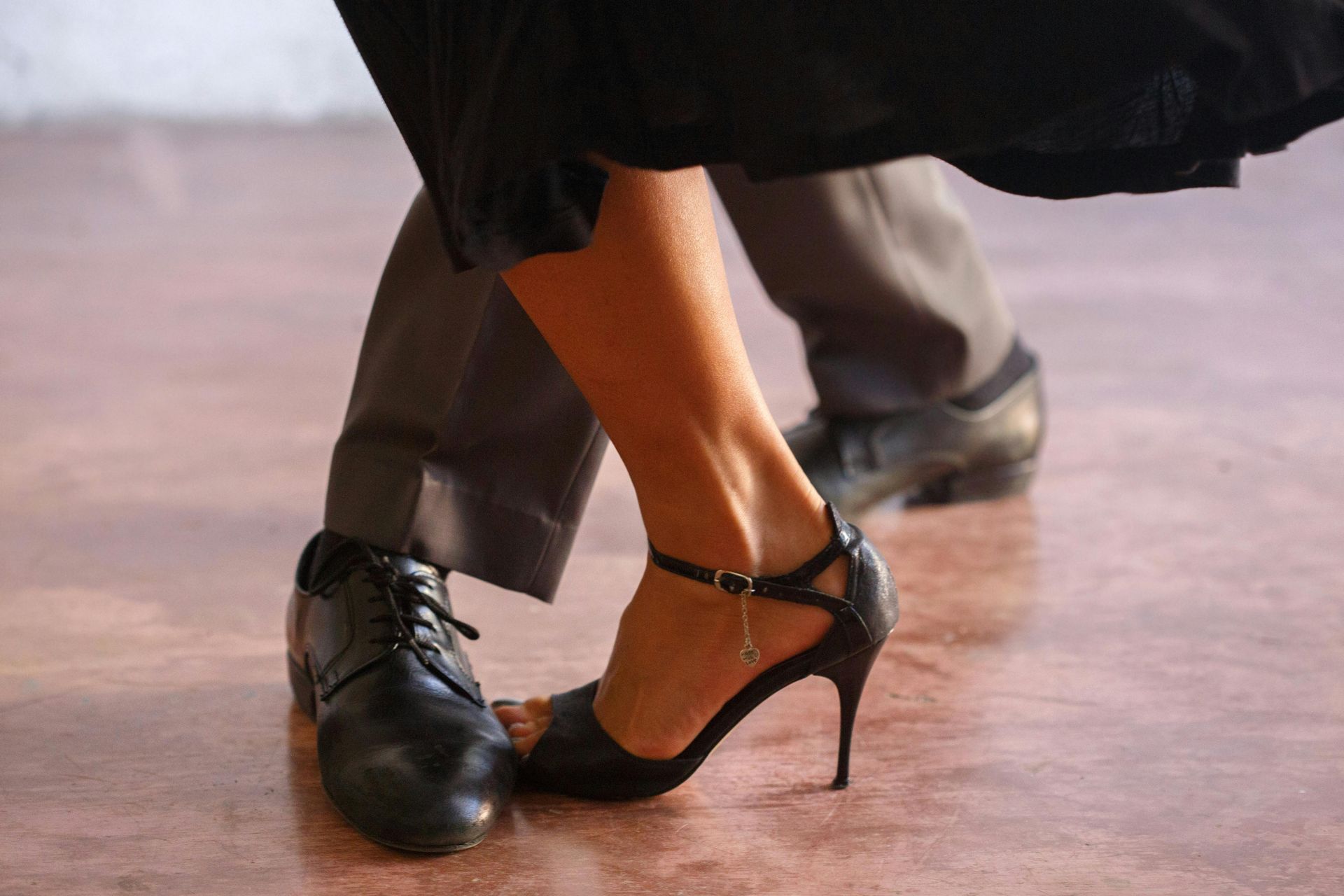
Partner dances, such as ballroom, salsa, or swing, require two people working in coordination. These classes emphasize connection, timing, and communication. Learning to dance with a partner teaches students how to read cues, anticipate movements, and maintain rhythm with another person. These skills can boost social confidence and foster teamwork, making partner classes an excellent choice for those looking to improve interpersonal skills alongside dance technique.
In addition, partner classes often provide opportunities for social dancing outside the studio, such as dance socials, competitions, or themed events. Students learn etiquette, leading or following roles, and how to adjust to different partners’ styles. This adaptability can be valuable not just in dance but in building confidence and social ease in other areas of life.
Solo Dance Classes
Solo dance styles, including jazz, hip-hop, contemporary, or ballet, focus on individual movement, self-expression, and personal technique. These classes allow students to develop rhythm, balance, and coordination independently, which can translate into stronger overall dance skills. Solo lessons are ideal for those who want to concentrate on technique, creativity, or preparing for performances where personal expression is key.
Solo classes also provide flexibility in scheduling since students do not need to coordinate with a partner. Additionally, they encourage self-discipline and confidence, as the dancer must rely on their own timing and abilities without a partner’s guidance.
Choosing the Right Option
Ultimately, the choice between partner and solo classes depends on personal goals. Students interested in social interaction and teamwork may prefer partner dances, while those focused on individual technique, performance, or self-expression may find solo styles more rewarding. Many dance programs allow students to explore both, providing a well-rounded experience that balances social skills with personal growth.
By understanding the distinctions between these two approaches, students can make informed decisions that maximize both enjoyment and skill development in their dance journey.
Frequently Asked Questions
At what age can children start dance lessons?
Most studios accept children as young as three for introductory classes, while structured programs begin around age five.
Do I need prior dance experience to join a class?
No. Dance lessons are typically tailored to beginners and more advanced students, making them accessible to all skill levels.
How often should I attend dance lessons for optimal benefit?
Once or twice a week is common for beginners, while dedicated dancers may attend multiple sessions to improve technique and stamina.
Are dance lessons physically demanding?
Intensity varies by style. Ballet and contemporary may be physically challenging, while ballroom or social dance focuses more on coordination and rhythm.
Can adults benefit as much as children from dance lessons?
Absolutely. Adults gain physical fitness, cognitive stimulation, social engagement, and emotional expression through dance.
Final Thoughts
Enrolling in dance lessons in Victoria TX offers far-reaching benefits that extend beyond learning steps and choreography. Participants experience improved physical health, enhanced mental sharpness, social engagement, increased confidence, and exposure to diverse artistic styles. Dance is a lifelong activity that encourages creativity, fitness, and personal growth, making it an excellent choice for families, children, and adults.
By investing in professional dance lessons, you provide yourself or your children with a structured environment that fosters skill development, personal expression, and community involvement—all while having fun on the dance floor.
Ready to take the first step? Explore dance lessons in Victoria TX today and discover the benefits for yourself or your family.
Reference:
https://www.satra.com/bulletin/article.php?id=2345